
What Is Jazz? Exploring the History, Improvisation, and Influence of a Living Music
More Than a Genre
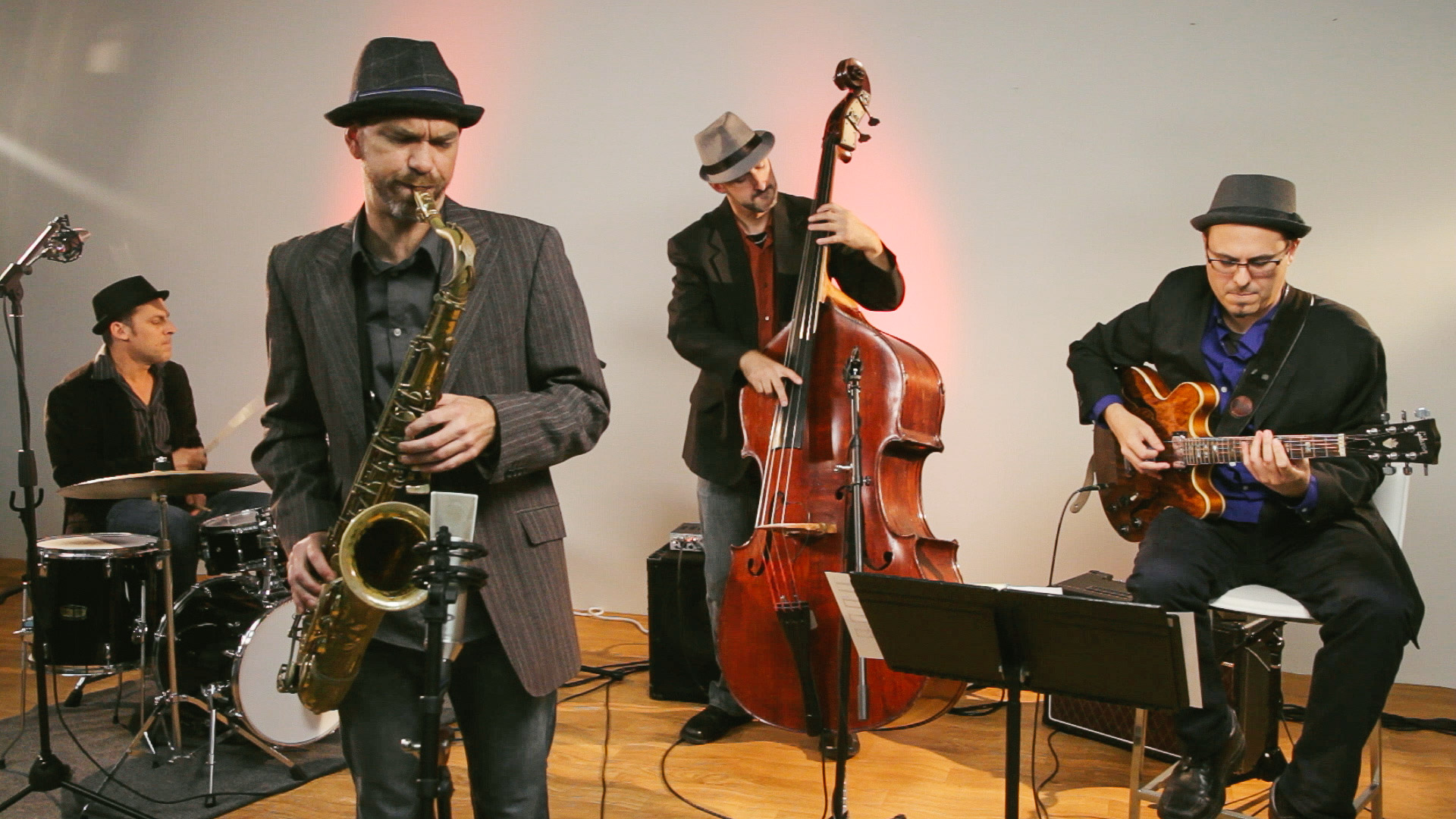
Jazz is often described as a style of music, but that definition barely scratches the surface. Jazz is conversation, movement, history, and emotion all happening at once. It can be elegant or raw, structured or spontaneous, familiar or entirely new. At its core, jazz is a living language that continues to evolve while honoring where it came from. Whether heard in a small club, a concert hall, or woven subtly into modern pop and film scores, jazz remains one of the most influential and expressive art forms in music history. To understand jazz is to understand how music adapts, responds, and connects people across generations and cultures.But what if jazz were simply defined as improvisation? Where would that place its roots? This question opens the door to understanding jazz not only as a genre born in a specific time and place, but as a broader musical mindset shaped by history, culture, and human expression.
Where Jazz Began and Where It Is Now
American jazz is said to have originated in the late 19th and early 20th centuries in New Orleans, shaped by African American communities blending African rhythms, blues, ragtime, spirituals, and European musical traditions. According to the Smithsonian National Museum of American History, jazz emerged as “a uniquely American art form rooted in collective improvisation, rhythmic complexity, and cultural exchange”. Early pioneers like Louis Armstrong, Jelly Roll Morton, and Duke Ellington helped bring jazz from local gatherings to national and eventually global stages. As the music spread, it diversified into styles such as swing, bebop, cool jazz, hard bop, fusion, and contemporary jazz, each reflecting the social and cultural climate of its time. Today, jazz continues to evolve. Modern artists blend jazz with pop, hip-hop, electronic, Latin, and soul influences, proving that jazz is not frozen in history but constantly responding to the present. As the National Endowment for the Arts notes, “jazz remains a music of innovation, collaboration, and creative freedom”.
Improvisation: The Deeper Roots of Jazz
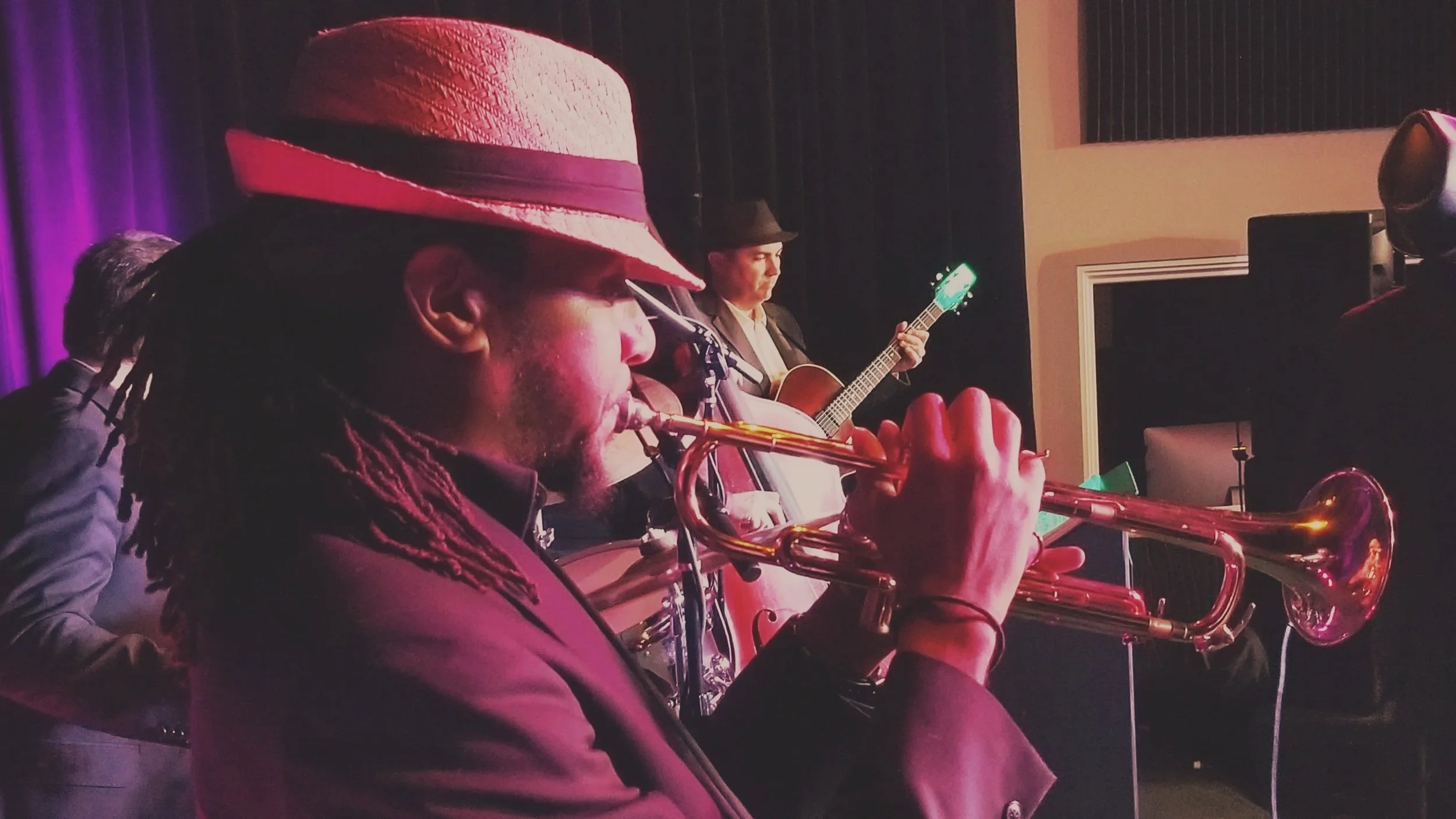
If jazz were defined primarily by improvisation, its roots would extend far beyond American history alone. Jazz is often defined as a blending of African rhythms with the blues. However, a major defining element of jazz is its adaptability and improvisational nature. This idea of musical conversation, flowing, reacting, and responding in real time as naturally as speaking with a friend, predates American jazz by centuries. Elements of improvisation, adaptation, and in-the-moment expression appear across many global traditions, including Baroque music, Flamenco, Romani music, Middle Eastern folk music, Indian classical music, Western Medieval and Renaissance music, and Traditional Irish music. This list could continue indefinitely. Improvisation itself is rooted in the human experience. What makes American jazz distinct is the convergence of these influences through immigrants and enslaved people moving to the Americas. The clash, blending, and reshaping of cultures into something entirely new.
Jazz’s Influence on Modern Music
Jazz’s impact reaches far beyond its own genre. Many of today’s most recognizable musical styles, from rock to R&B they all borrow heavily from jazz harmony, rhythm, and improvisation. The use of syncopation, extended chords, swing feel, and call-and-response patterns can be traced directly back to jazz traditions. Even contemporary producers and songwriters rely on jazz concepts when crafting layered arrangements or dynamic grooves. As music historian Ted Gioia explains, “[Jazz] reshaped the way musicians think about rhythm, melody, and freedom within structure”. In this way, jazz acts as both a foundation and a bridge, connecting past musical traditions to modern expression. Its influence is not always obvious, but it is everywhere.
Why Jazz Still Matters
Jazz endures because it is built on listening, collaboration, and individuality. Every performance is different, shaped by the musicians, the audience, and the moment. That sense of presence and authenticity is what keeps jazz relevant, even in a digital age. More than a century after its beginnings, jazz continues to tell stories about culture, identity, resilience, and creativity. It reminds us that music can be both deeply rooted and endlessly adaptable. And perhaps most importantly, jazz shows us that when structure and freedom meet, something truly timeless is created.